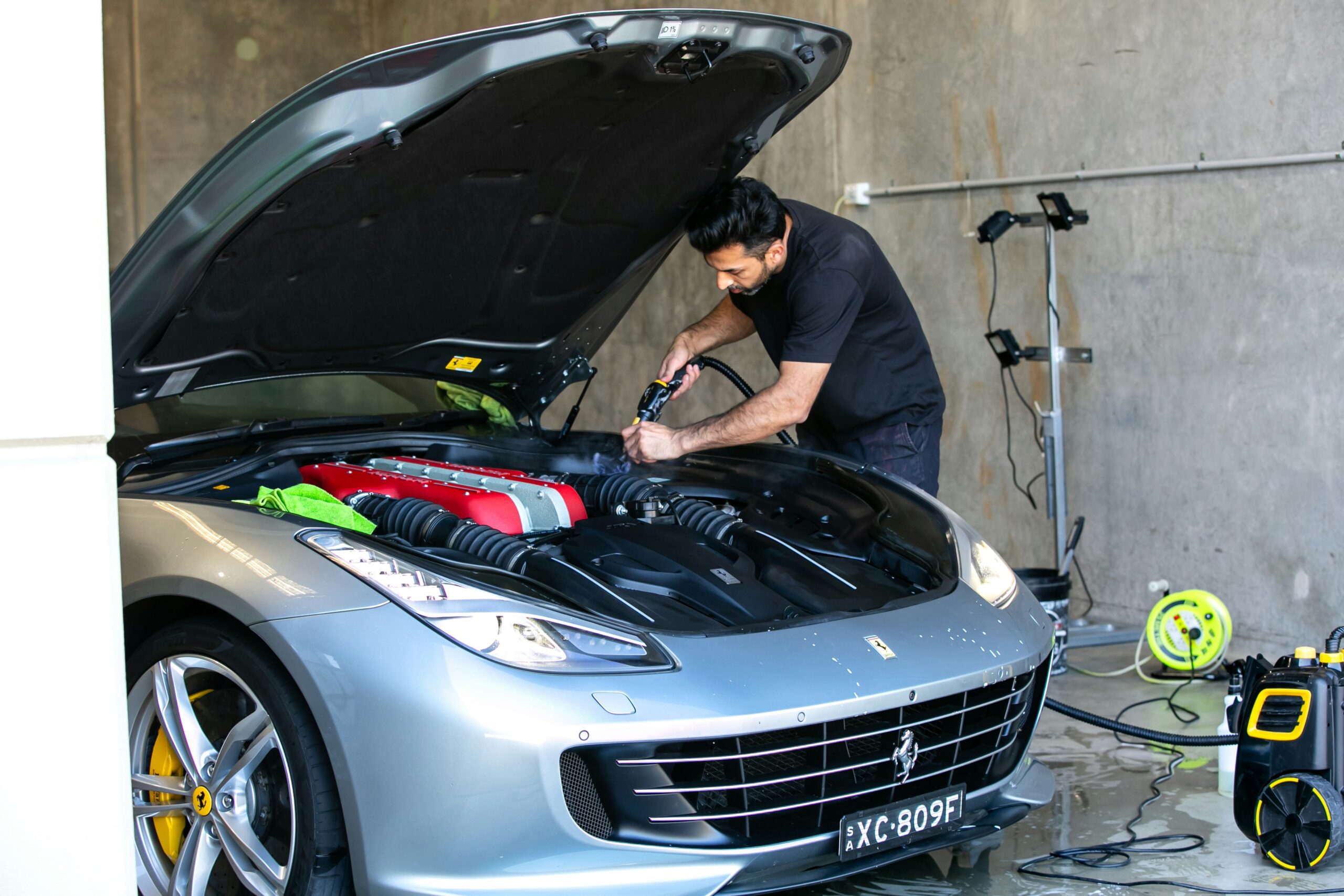
A car is one of the most significant investments many people make, yet it’s often neglected until something goes wrong. Regular car servicing is not just about fixing problems it’s about preventing them, improving performance, and significantly extending the life of your vehicle. Whether you drive daily or only occasionally, routine maintenance plays a critical role in keeping your car reliable, safe, and cost-effective in the long run.
In this blog, we’ll explore why regular car servicing extends vehicle life, what experts recommend, and how small, consistent actions can save you from major repairs later.
Understanding What Car Servicing Really Means
Car servicing involves a scheduled inspection and maintenance routine carried out by professionals to ensure all components of your vehicle are working correctly. It typically includes:
- Engine oil and filter change
- Brake inspection
- Tyre check and rotation
- Fluid top-ups
- Battery health check
- Engine diagnostics
These checks help detect wear and tear early before it turns into costly damage.
Prevents Small Issues from Becoming Major Repairs
One of the biggest benefits of regular servicing is early problem detection. Cars are complex machines, and small faults often go unnoticed by drivers.
For example:
- A minor oil leak can lead to engine seizure
- Worn brake pads can damage brake discs
- Low coolant can cause engine overheating
Regular servicing ensures such issues are identified and fixed early, protecting critical components and extending overall vehicle life.
Keeps the Engine Running Smoothly
The engine is the heart of your car, and it relies heavily on clean oil, proper lubrication, and balanced airflow.
How servicing helps the engine:
- Fresh engine oil reduces friction and wear
- Clean air filters improve combustion efficiency
- Timely spark plug replacement ensures smooth ignition
A well-maintained engine runs cooler, cleaner, and more efficiently, dramatically increasing its lifespan.
Improves Fuel Efficiency Over Time
Poor maintenance directly affects fuel economy. Dirty filters, underinflated tyres, or worn engine parts force the car to work harder, consuming more fuel.
Regular servicing:
- Maintains optimal tyre pressure
- Ensures proper fuel-air mixture
- Reduces engine strain
Over time, better fuel efficiency not only saves money but also reduces unnecessary stress on the engine and drivetrain.
Protects the Transmission System
The transmission is one of the most expensive parts to repair or replace. Unfortunately, it’s often overlooked until problems arise.
During regular servicing:
- Transmission fluid levels are checked
- Fluid condition is assessed
- Early signs of transmission wear are detected
Clean transmission fluid ensures smooth gear shifts and prevents overheating, helping the transmission last for many years.
Extends Brake System Life
Brakes are essential for safety, but they also experience constant wear.
Routine servicing includes:
- Brake pad thickness checks
- Brake fluid inspection
- Disc and caliper assessment
By replacing pads early, you avoid damaging expensive brake discs and maintain safe stopping power protecting both your vehicle and passengers.
Maintains Electrical and Battery Health
Modern cars rely heavily on electronics, from engine sensors to infotainment systems.
Regular servicing ensures:
- Battery terminals are clean and secure
- Charging systems work properly
- Faulty sensors are detected early
A healthy electrical system prevents breakdowns and avoids unexpected failures that can shorten vehicle life.
Preserves Suspension and Steering Components
Suspension and steering parts absorb constant shocks from road conditions. Worn components can lead to uneven tyre wear and poor handling.
Servicing helps by:
- Identifying worn bushings or shocks
- Correcting alignment issues
- Preventing additional strain on tyres and chassis
This improves ride comfort and protects the structural integrity of the vehicle.
Reduces Long-Term Ownership Costs
Skipping regular servicing may save money in the short term, but it often leads to much higher costs later.
Benefits of regular maintenance:
- Fewer emergency repairs
- Reduced part replacement costs
- Longer intervals between major overhauls
In simple terms, servicing is far cheaper than repairing a neglected vehicle.
Helps Retain Resale Value
A well-serviced car holds its value better in the resale market. Buyers are more confident when they see a complete service history.
Regular servicing:
- Shows responsible ownership
- Reduces wear-related depreciation
- Makes the car easier to sell at a higher price
Even if you plan to keep your car long-term, resale value still matters.
Enhances Safety for Driver and Passengers
Vehicle safety systems depend on proper maintenance. Tyres, brakes, lights, and steering must work together flawlessly.
Routine servicing ensures:
- Tyres have adequate tread and grip
- Lights and indicators function correctly
- Brakes respond effectively
A safer car is less likely to be involved in accidents, protecting both lives and the vehicle itself.
Supports Manufacturer Warranty Compliance
Most manufacturers require regular servicing to keep the warranty valid. Missing scheduled services can void warranty coverage, leaving you responsible for expensive repairs.
By following service intervals:
- Warranty remains intact
- Manufacturer standards are met
- Future claims are protected
This alone makes regular servicing essential.
Expert Tips to Maximise Vehicle Lifespan
Follow the Service Schedule
Stick to the manufacturer’s recommended service intervals, even if the car seems fine.
Use Quality Parts and Fluids
Cheap replacements may cost more in the long run due to faster wear.
Address Warning Lights Immediately
Dashboard warnings are early alerts, don’t ignore them.
Keep Records
Maintain a service log to track maintenance and repairs.
Choose a Trusted Service Centre
Experienced professionals can identify issues that others may miss.
Common Myths About Car Servicing
“New Cars Don’t Need Regular Servicing”
Even new vehicles require maintenance to prevent early wear.
“I’ll Service Only When Something Breaks”
By then, damage is often extensive and expensive.
“Servicing Is a Waste of Money”
In reality, it’s one of the best ways to save money long-term.
The Long-Term Impact of Consistent Maintenance
Cars age just like people. Those that receive consistent care remain reliable, efficient, and safe well beyond expected lifespans. Many vehicles exceed 200,000 km simply because they were serviced regularly.
Regular servicing transforms car ownership from reactive repairs to proactive care.
Final Thoughts
Regular car servicing is not an optional expense, it’s an essential investment in your vehicle’s longevity, performance, and safety. By addressing small issues early, maintaining critical systems, and following expert maintenance advice, you can extend your car’s life by many years.
In the long run, a well-serviced car rewards you with lower costs, fewer breakdowns, better performance, and peace of mind. If you want your vehicle to stay dependable and road-ready, regular servicing isn’t just recommended, it’s non-negotiable.
